

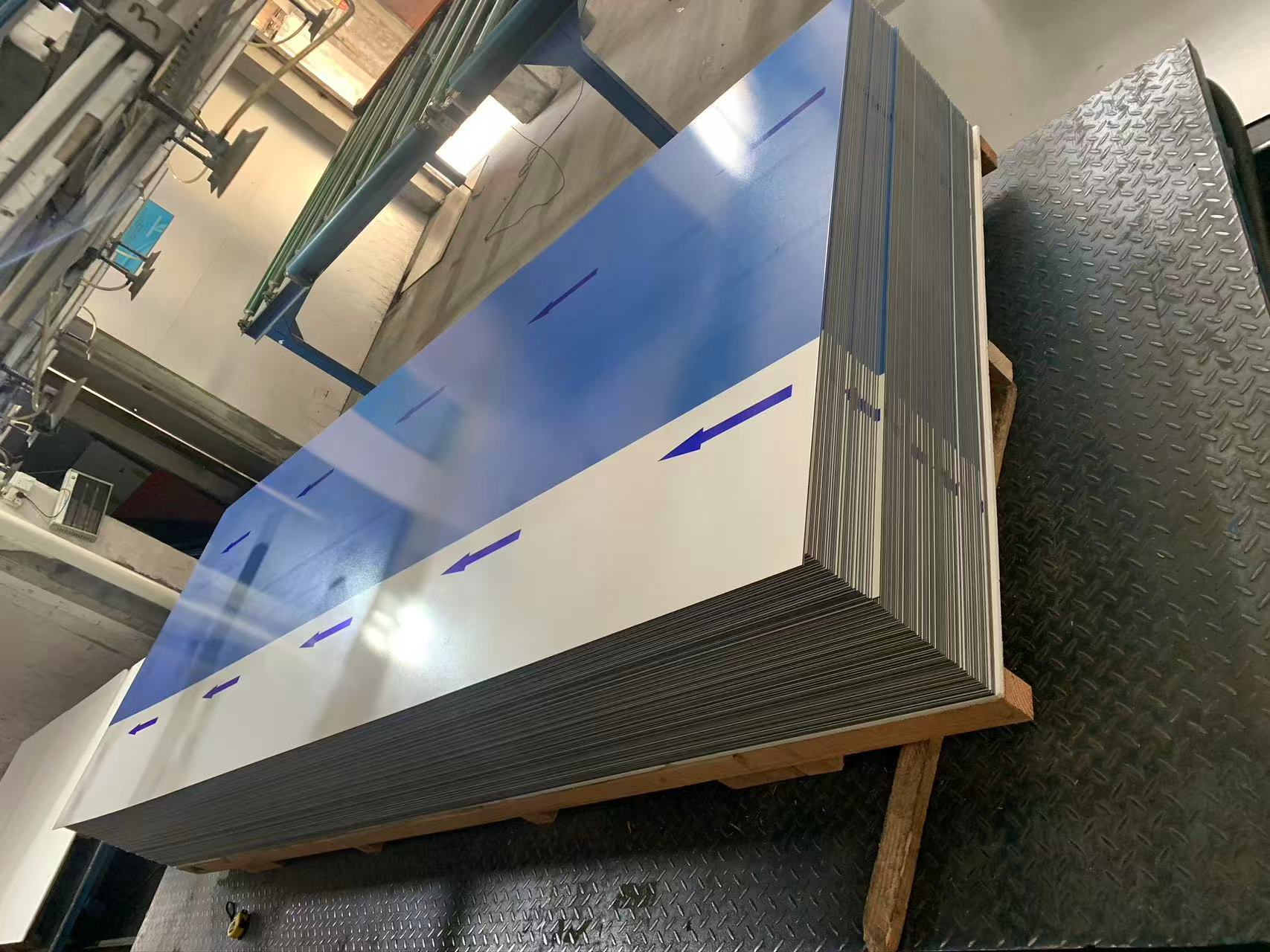
Metal materials is the general term for materials made of metallic elements — or primarily metallic elements — that exhibit metallic characteristics. The category includes pure metals, alloys, metal intermetallic compounds and special metal materials. (Note: metal oxides such as aluminium oxide are not metal materials.)
1. Ferrous Metals
Also known as iron and steel materials: industrial pure iron (over 90% iron), cast iron (2–4% carbon), carbon steel (under 2% carbon), and structural steel, stainless steel, heat-resistant steel, high-temperature alloys and precision alloys for various uses. Broadly, chromium, manganese and their alloys are also included.
2. Non-Ferrous Metals
All metals and their alloys other than iron, chromium and manganese — usually grouped into light metals, heavy metals, precious metals, metalloids, rare metals and rare-earth metals. Non-ferrous alloys generally offer higher strength and hardness than pure metals, with high electrical resistance and a small resistance temperature coefficient.
3. Special Metal Materials
Structural and functional metal materials for different uses: amorphous metals produced by rapid solidification, quasi-crystalline, microcrystalline and nanocrystalline metals; alloys with special functions such as stealth, hydrogen resistance, superconductivity, shape memory, wear resistance and vibration damping; and metal-matrix composites.